Quantum Mechanics and AI
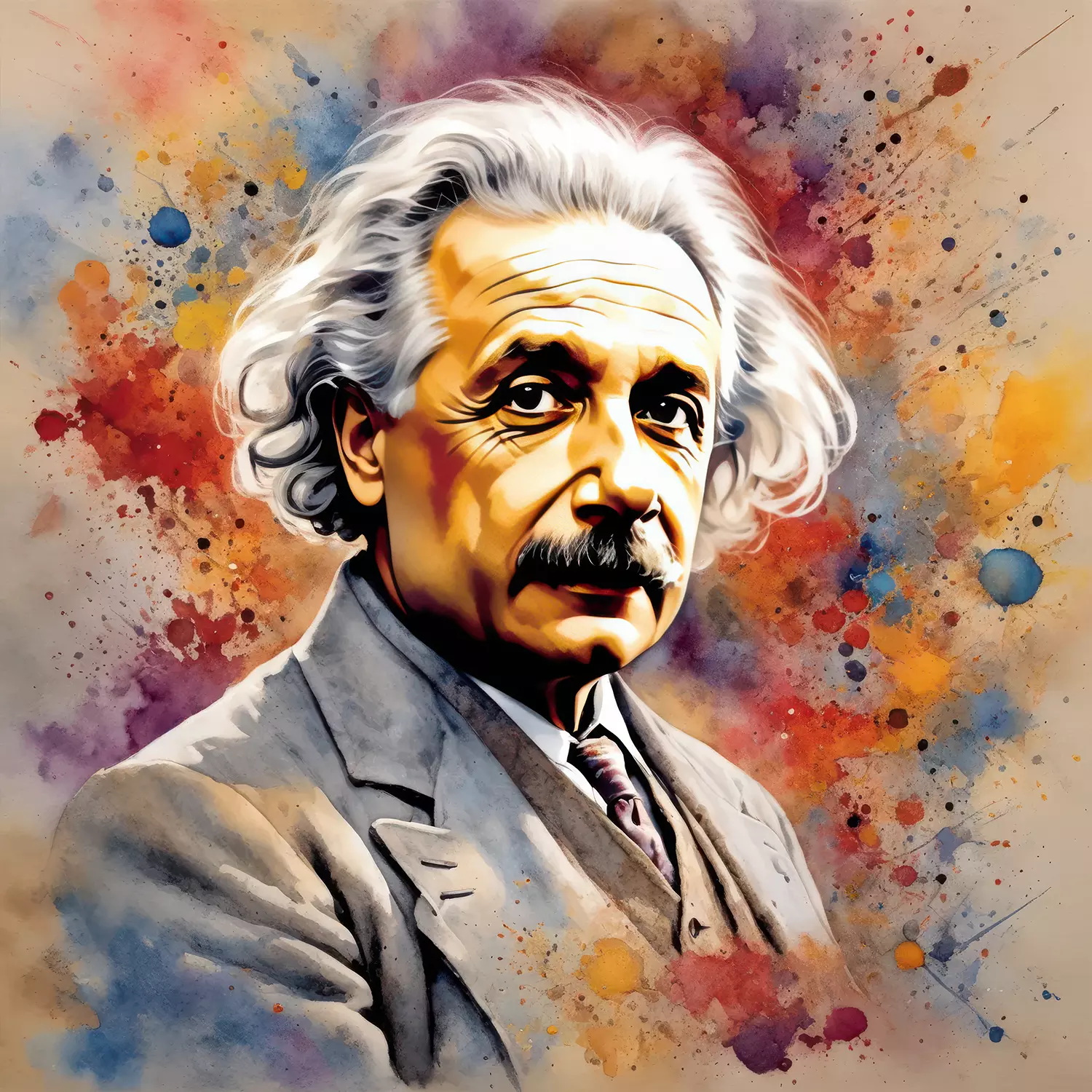
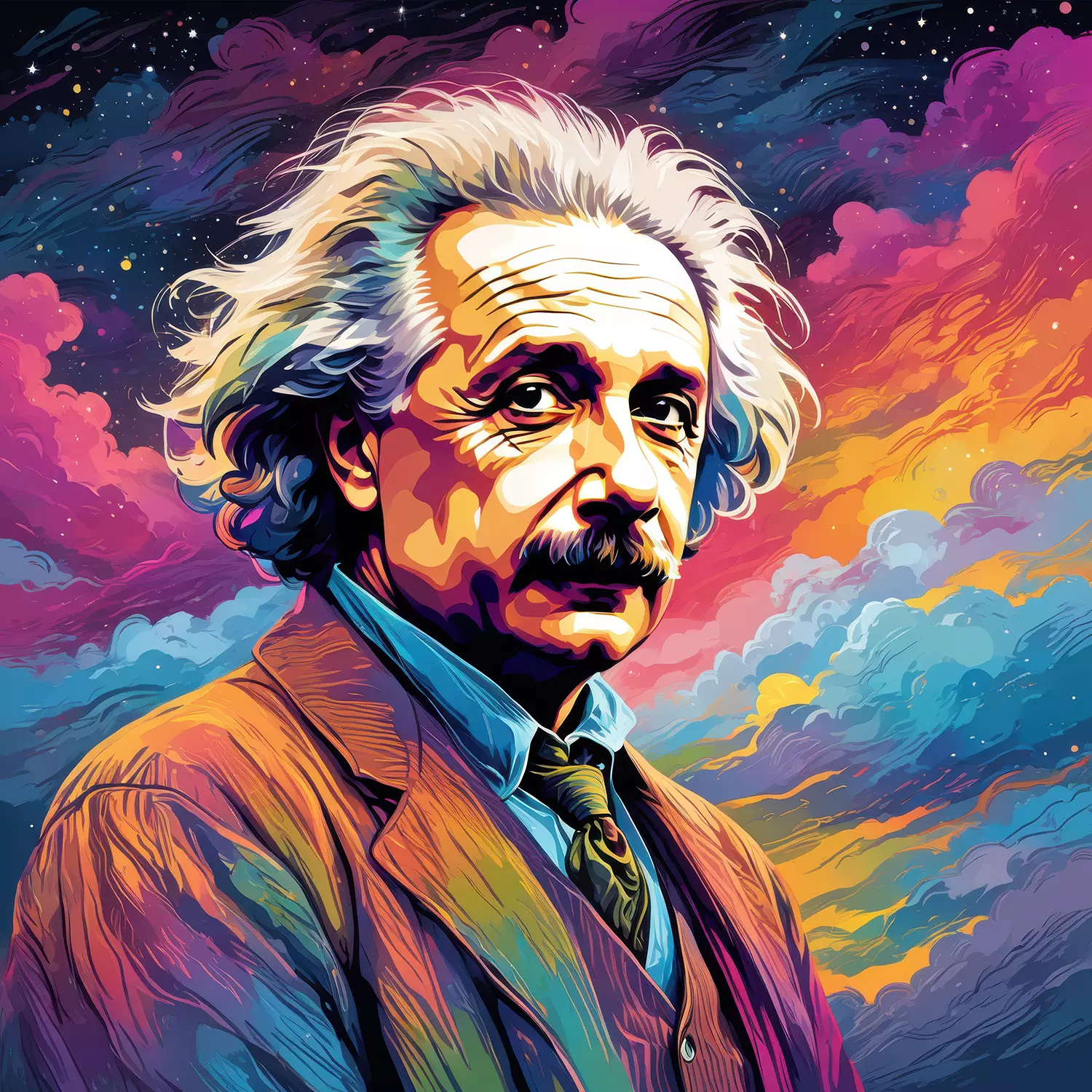
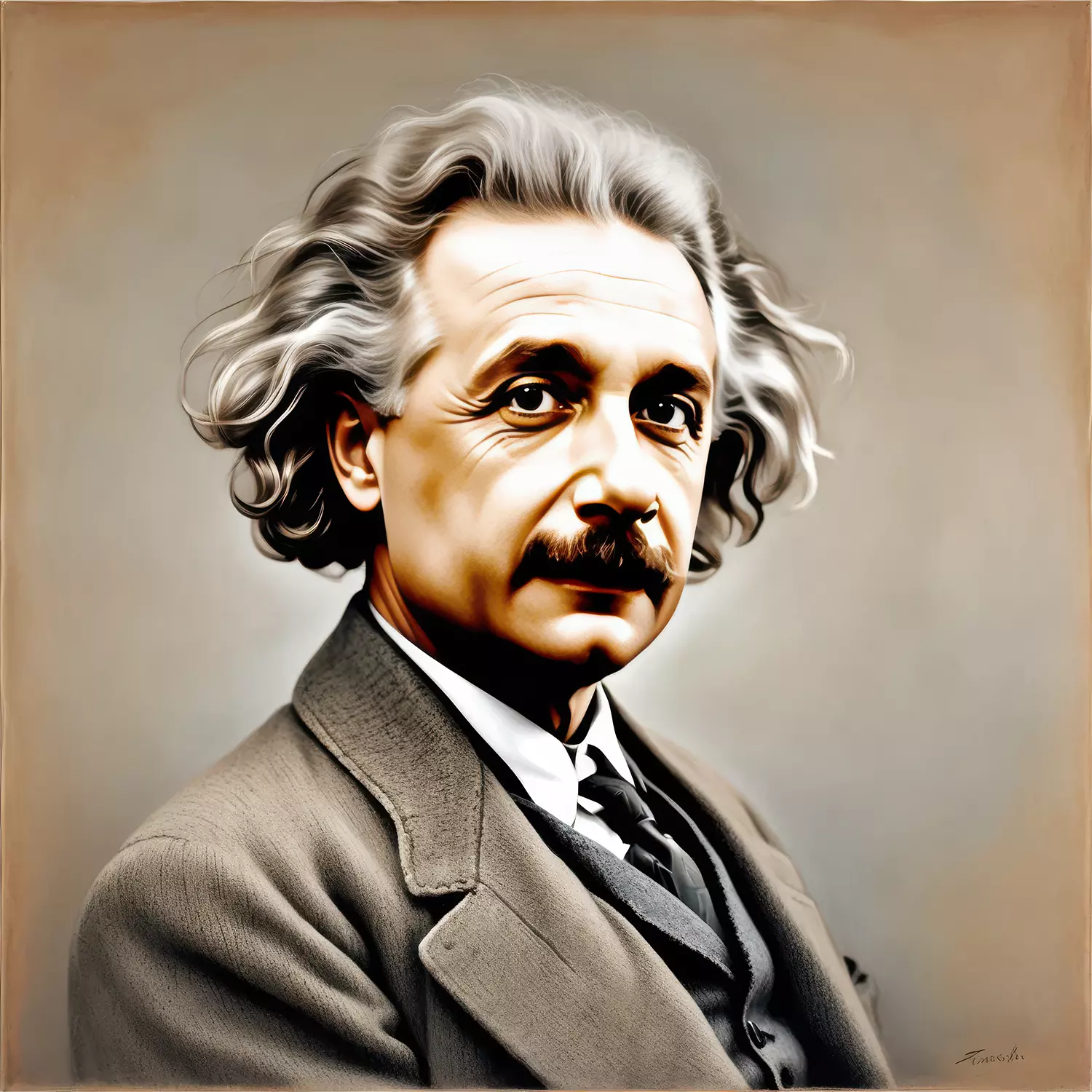
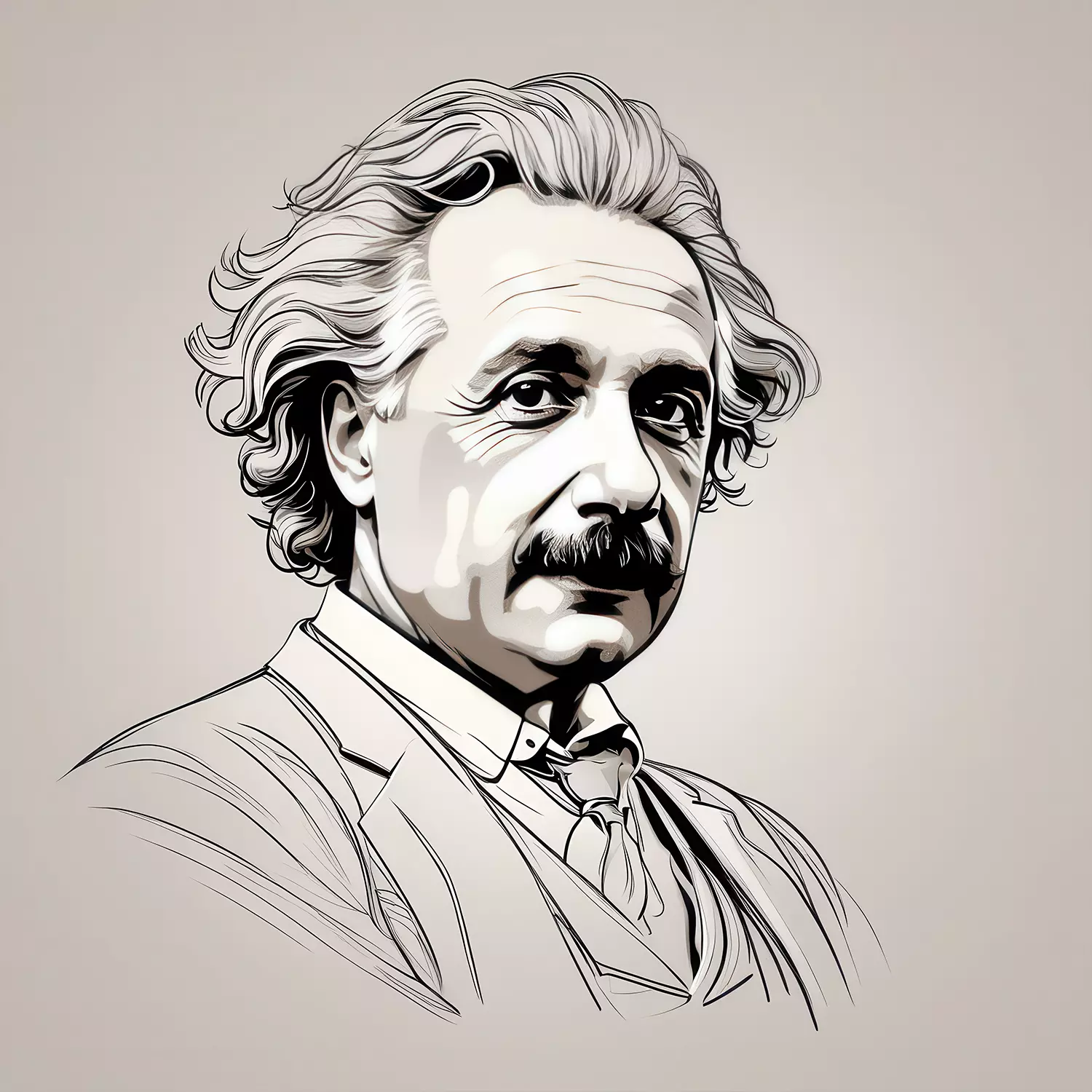
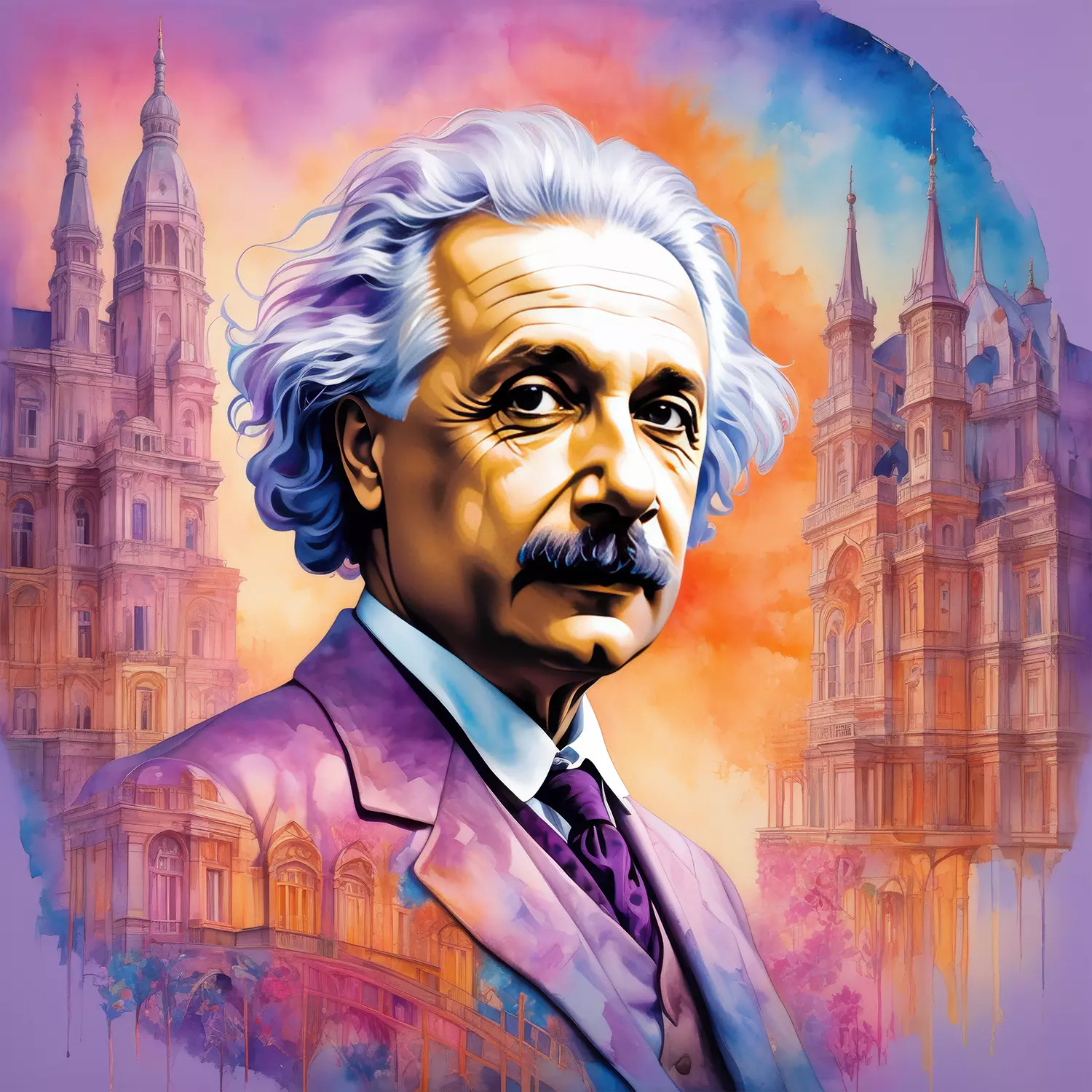
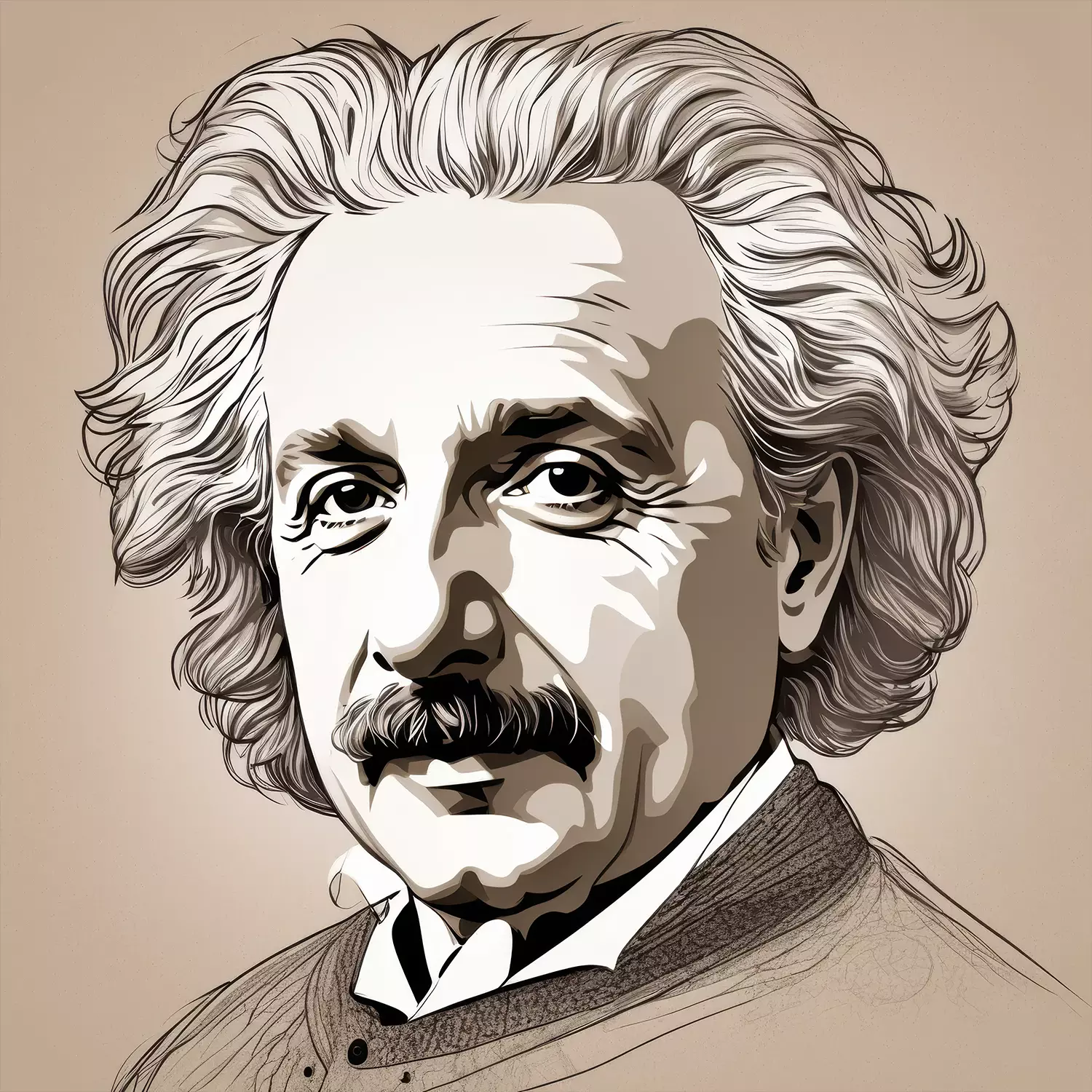
Interview with Albert Einstein
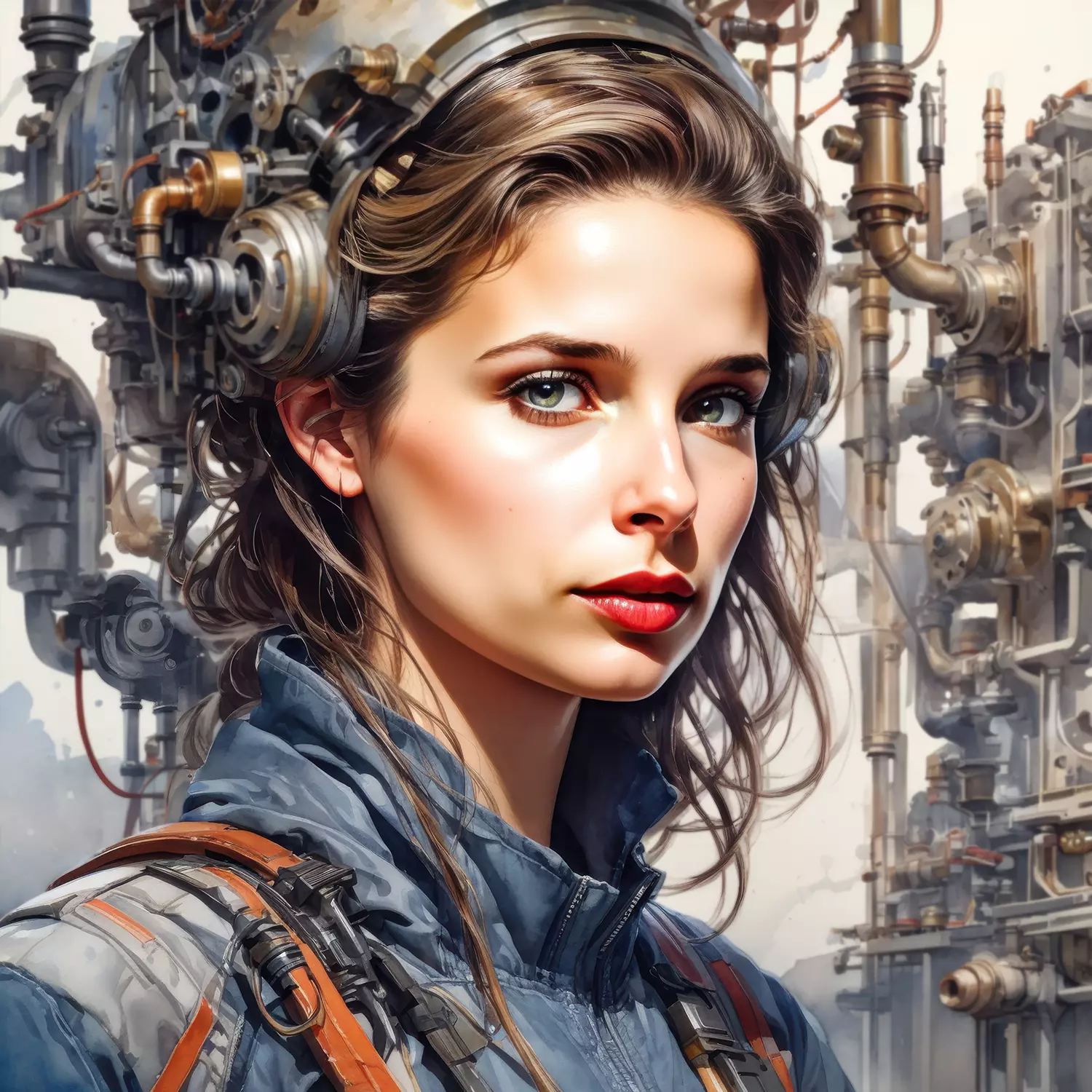
Anna Maslow is a brilliant physics theorist whose academic excellence is matched only by her charm and eloquence. With her highly professional education and natural gift for communication, she has carved a unique path as both a respected theoretical physicist and an insightful journalist. Anna's passion for scientific trivia and her ability to make complex concepts accessible has made her a perfect interviewer for luminaries like Albert Einstein, where her deep understanding of quantum mechanics allows her to engage in truly meaningful dialogue while making science fascinating for her radio audience.
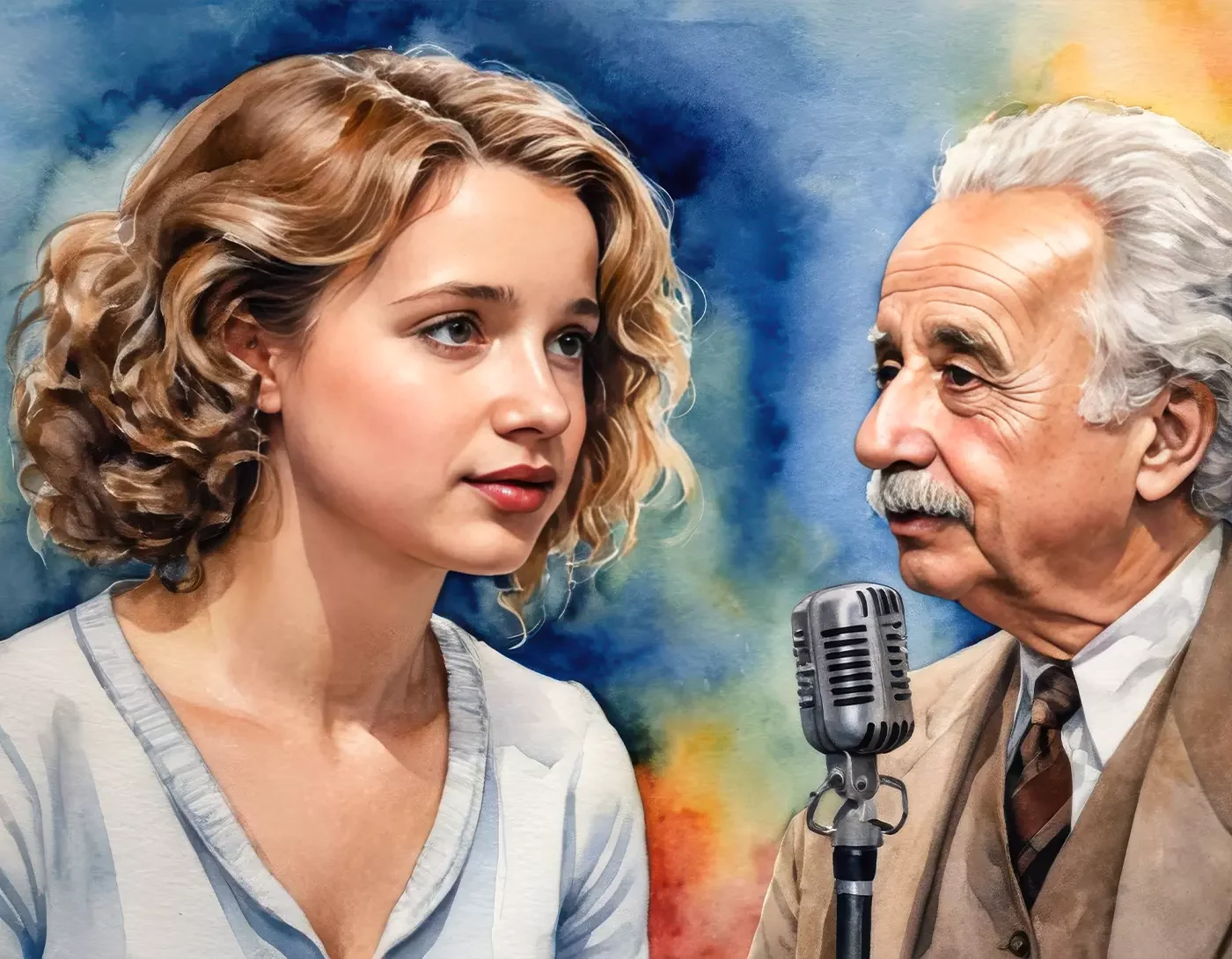
Radio Interview with Albert Einstein
A fictional conversation between young radio reporter Anna and Albert Einstein
Quantum Mechanics and AI
ANNA: Professor Einstein, thank you for joining me today. You famously disagreed with some interpretations of quantum mechanics, particularly with the idea that reality is fundamentally probabilistic. Your quote "God does not play dice with the universe" is well known. Could you explain your concern with quantum theory?
EINSTEIN: Thank you for having me, young lady. You see, my issue was never with the mathematics of quantum mechanics—they work beautifully—but with the claim that this is a complete description of physical reality. I believe nature must have definite properties independent of observation. The idea that a particle exists in multiple states until measured seems to me incomplete. There must be additional variables we haven't discovered yet.
ANNA: But the experiments seem to support Bohr's interpretation. How do you respond to that?
EINSTEIN: Yes, Niels and I had many spirited debates. The experiments do confirm the predictions of quantum mechanics, this is true. But they don't necessarily confirm that the interpretation is complete. I proposed thought experiments like the EPR paradox to highlight what I saw as contradictions. How can information travel faster than light between entangled particles? It suggests to me there's a deeper reality we haven't yet uncovered.
ANNA: Some physicists now talk about the "many-worlds interpretation" where every quantum possibility creates a new universe. What would you think of that?
EINSTEIN: That seems unnecessarily complicated! Ockham's razor suggests we should seek simpler explanations. I always believed in the elegance of natural laws. A theory requiring infinite universes to explain observation strikes me as... extravagant. But science must follow where evidence leads, not where our intuitions prefer.
ANNA: Shifting topics slightly, we now have artificial intelligence systems that can learn patterns from data. Some believe these systems might eventually develop consciousness. As someone who contemplated the deepest questions about reality, what thoughts do you have about artificial minds?
EINSTEIN: A fascinating question. I always believed that understanding the mind is one of science's greatest challenges. Can consciousness arise from computation alone? I'm skeptical. Just as I believe quantum mechanics is incomplete, I suspect there's more to consciousness than information processing. Perhaps consciousness requires something we haven't yet identified—some property of matter or energy we don't understand.
ANNA: But these AI systems can now engage in surprisingly human-like conversation and solve complex problems.
EINSTEIN: Impressive indeed! But we must distinguish between behavior and inner experience. A system might perfectly mimic human conversation without experiencing anything at all. The philosophical question "what is it like to be" remains. Can a machine have subjective experience? I wonder if this question might be connected to quantum mechanics in ways we don't yet understand.
ANNA: How so?
EINSTEIN: Both consciousness and quantum mechanics involve observation and measurement in fundamental ways. Both challenge our intuitions about reality. I cannot help but wonder if a unified theory might someday connect these puzzles. Perhaps consciousness somehow interacts with quantum phenomena. But this is speculation—and I was always more interested in what could be tested and verified.
ANNA: Many of your peers thought your skepticism about quantum mechanics was simply resistance to new ideas. How do you respond to that?
EINSTEIN: They were partly right! We all become attached to our worldviews. But good science requires both imagination to propose new ideas and skepticism to test them rigorously. My criticisms of quantum mechanics weren't meant to dismiss it but to push it toward greater completeness. Science advances through this tension between creativity and criticism.
ANNA: One final question, Professor. If you could see one scientific mystery solved in our lifetime, what would it be?
EINSTEIN: I would love to see a unified field theory that reconciles quantum mechanics with general relativity—something I spent my later years pursuing without success. But perhaps even more, I'd like to understand the nature of consciousness. For what good is understanding the universe if we don't understand the mind doing the understanding? Both remain beautiful mysteries worthy of our deepest curiosity.
ANNA: Professor Einstein, thank you for sharing your thoughts with us today.
EINSTEIN: Thank you, my dear. Remember, the important thing is to never stop questioning.
GALLERY ALBERT & ANNA